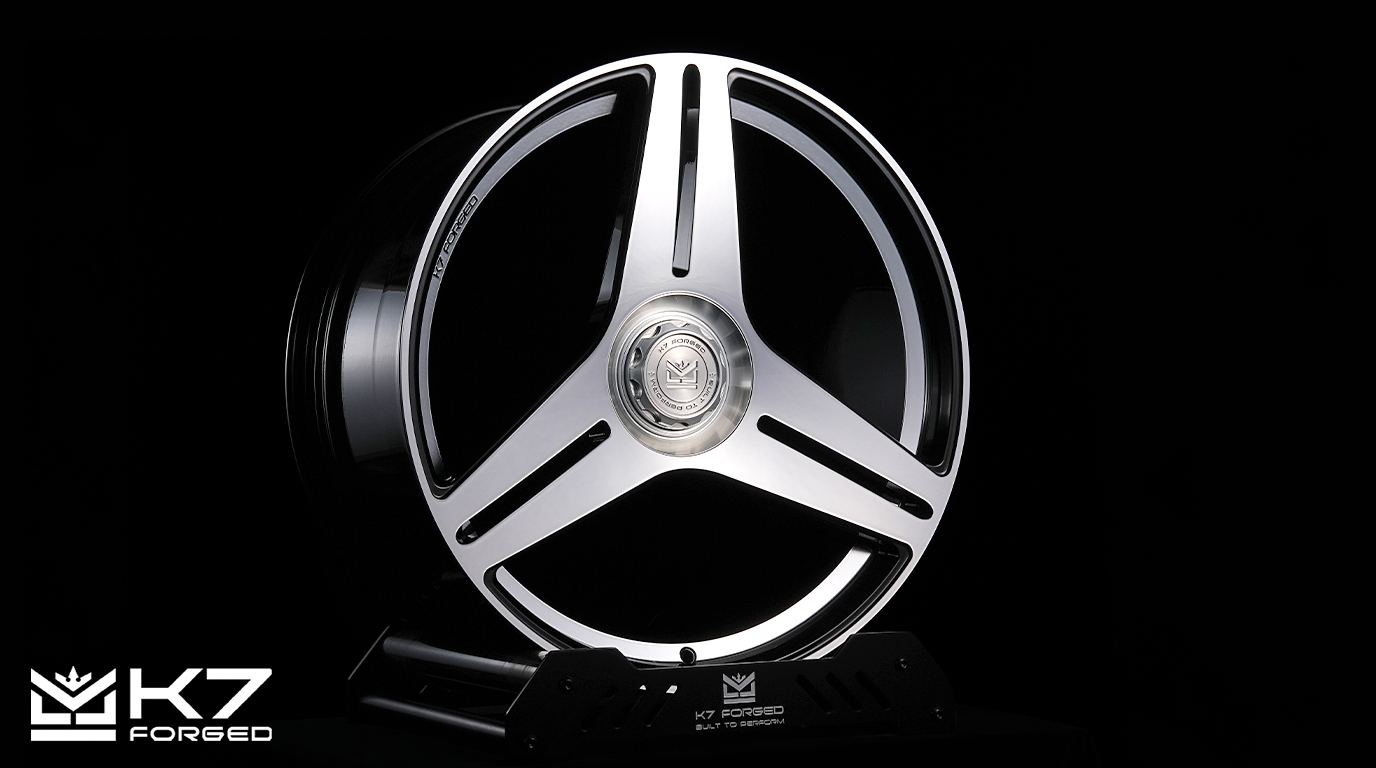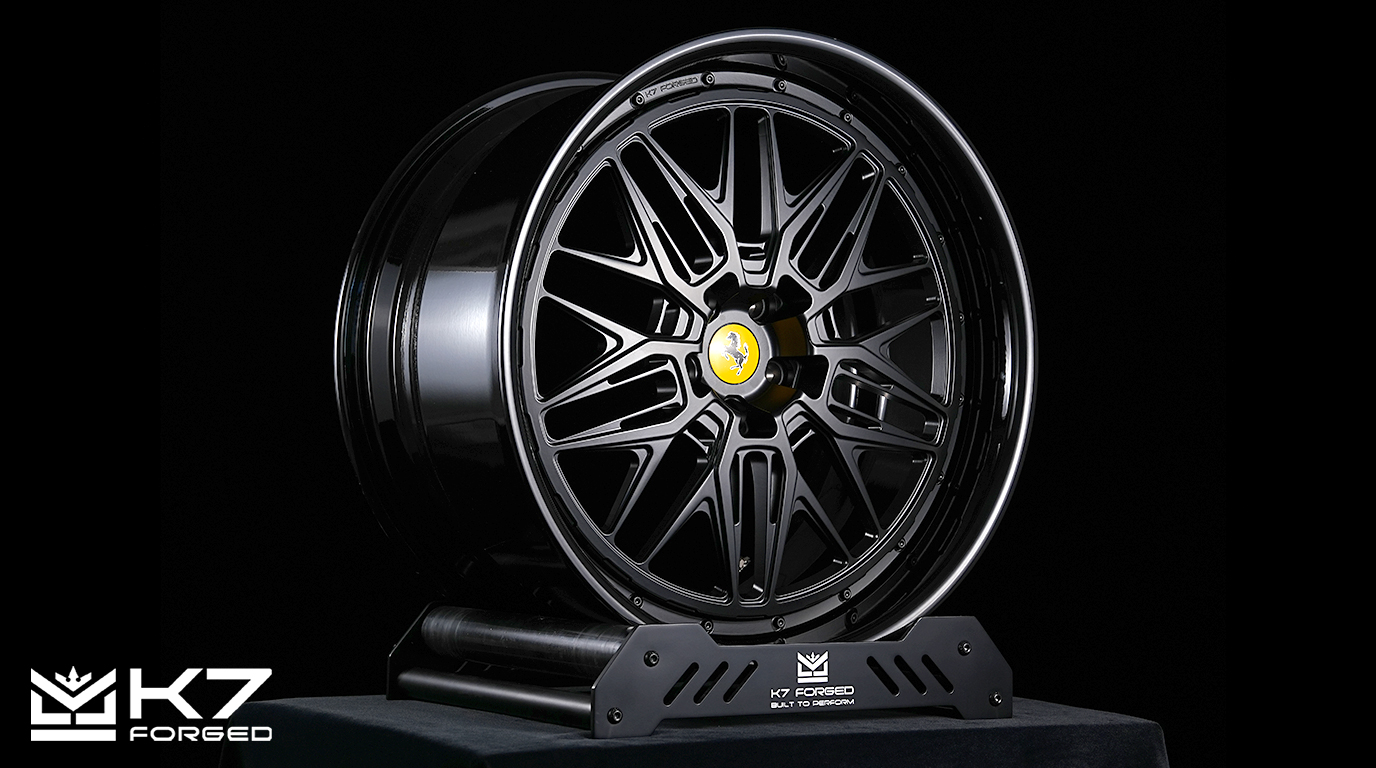
The problem with Dubai’s massive love for performance cars is that there will be people trying to trick enthusiasts into buying counterfeit racing wheels. They look very similar to real performance wheels, but they are a total risk to your safety. Our customers have been raving about the original high-quality forged wheels they purchase from K7 Forged. So we feel a responsibility to let you know how you can distinguish between fake and real alloy wheels.
Key Highlights
- Fake racing wheels in Dubai mimic logos but skip critical safety standards.
- Real forged wheels feature deep engravings, certification logos, and proper weight specs.
- Misaligned holes, poor finishes, and misspelled decals are dead giveaways.
- Check for JWL, VIA, or TÜV stamps and verify serial numbers with original sources.
- UAE customs block fake wheels at ports, but grey market sellers still operate.
What are replica, authorized, and fake wheels?
Authentic performance wheels come directly from the original manufacturer. This not only includes wheels from automobile manufacturers, but also those from top wheel manufacturers in Dubai, like K7 Forged. Such wheels need to follow strict standards, like forged or flow-formed construction with proper certifications.
Licensed replicas mimic these designs. The aim is to give the same design at a cheaper price tag. So the branding, materials, and manufacturing are all different. They may be safe if they follow regulations. But they are definitely not built for hardcore racing.
Fake wheels are knockoffs that copy logos. Naturally, they skip quality controls. Gravity-casting or cheap CNC methods may be used for manufacturing. They also lack JWL/VIA/TÜV certification. That’s the difference between cheap and premium forged alloy wheels.
How to spot fake racing wheels in Dubai
Fake performance wheels may look convincing online, probably due to skilled graphics designers. The flaws start to show only when you see one in real life.
- Missing or poor-quality brand engravings
Real forged wheels usually have clean laser or CNC-etched markings. Look for “Made in Japan,” JWL/VIA logos, and unique serial numbers. Fakes often skip these or use shallow, uneven stamping.
- Valve stems and lug holes are off
A big giveaway is when the valve stem doesn’t line up with the spoke design, or the lug holes look drilled off-angle. Real racing wheels follow strict specs. These errors signal bad molds or rushed casting.
- The weight feels wrong
Always check the weight. A forged 18” wheel from a premium brand will usually weigh under 10kg. If your wheel feels too light or way too heavy compared to the brand spec sheet, it’s likely fake or poorly made.
- Shady stickers and wrong fonts
Counterfeits often rely on cheap-looking vinyl decals instead of permanent logos. Mismatched fonts, spelling errors, or stickers that peel easily are all red flags. You’ll find reports of misspelled brand names like “BBSs” or “RAYES” floating around resale platforms.
- Bad finish and visible casting seams
Authentic forged or flow-formed wheels have a smooth and clean surface. Fake wheels have inconsistent paint, bubbles, or rough lines where the casting mold was joined.
How to test a wheel in person
Here’s a practical checklist to follow the next time you’re checking racing wheels in a shop:
- Lift and feel the weight
Compare with a verified OEM or brand model. If the weight is too light, then it is of poor quality. If it feels too dense, they used the plain casting process.
- Check the inner hub embossing
Flip the wheel and look for brand names, load ratings, offset, and part numbers engraved on the hub or spoke channels. Authentic alloy wheels include all this data in high-quality engraving.
- Perform a bead grip check
If a tire is already mounted, try twisting it by hand inside the bead seat. Genuine forged wheels will hold strong. Fake or poorly cast wheels may flex or shift slightly under force.
- Inspect the lug and valve alignment
On genuine racing wheels, every hole, whether it’s for lug bolts or the valve stem, is cut with CNC precision. Misaligned holes or off-center valves indicate loose QC or counterfeit molds.
Certifications for alloy wheels
Certifications are a safe way to understand if the performance wheels you buy are not fake.
Types of certifications:
- JWL (Japan Light Alloy Wheel Standard) – Mandatory for wheels sold in Japan
- VIA – Optional Japanese third-party structural test
- TÜV – German certification for road safety and structural integrity
Most premium racing wheels, like forged wheels used in motorsports, carry at least one of these.
How to verify certifications
Serial numbers on JWL/VIA wheels are trackable. Real brands publish official lists or databases to cross-check. Forged documents or stickers may be faded or have incorrect codes. Always ask for a matching invoice or box label.
What UAE inspectors check at the border
Importers and customs inspectors in the UAE check the JWL/VIA stamping, weight-class compliance, and part number verification. Custom wheels failing these checks get flagged or rejected. That’s why many fake wheels don’t make it through official retail and end up in grey market listings.
Where to buy genuine racing wheels in Dubai
Your car deserves wheels that perform just as well as they look. Every K7 Forged racing wheel is engineered with precision and passes industry-standard tests. They have the structural strength for both city driving and high-performance builds. These are track-bred, road-tested forged wheels, that come with lifetime warranties.
FAQs
Can fake performance wheels damage suspension parts?
Yes, counterfeit wheels with incorrect weight or offset can stress your bearings, ball joints, and control arms.
Are used racing wheels from classified ads safe to buy?
Only if you inspect them in person and confirm authenticity markings and integrity. Never rely on just photos.
Can forged wheels crack under normal driving if they’re fake?
Yes, many users on forums report cracks appearing within weeks when using counterfeit forged wheels.
Do real forged wheels make a difference in performance?
Absolutely, lighter rotational mass improves acceleration and braking.