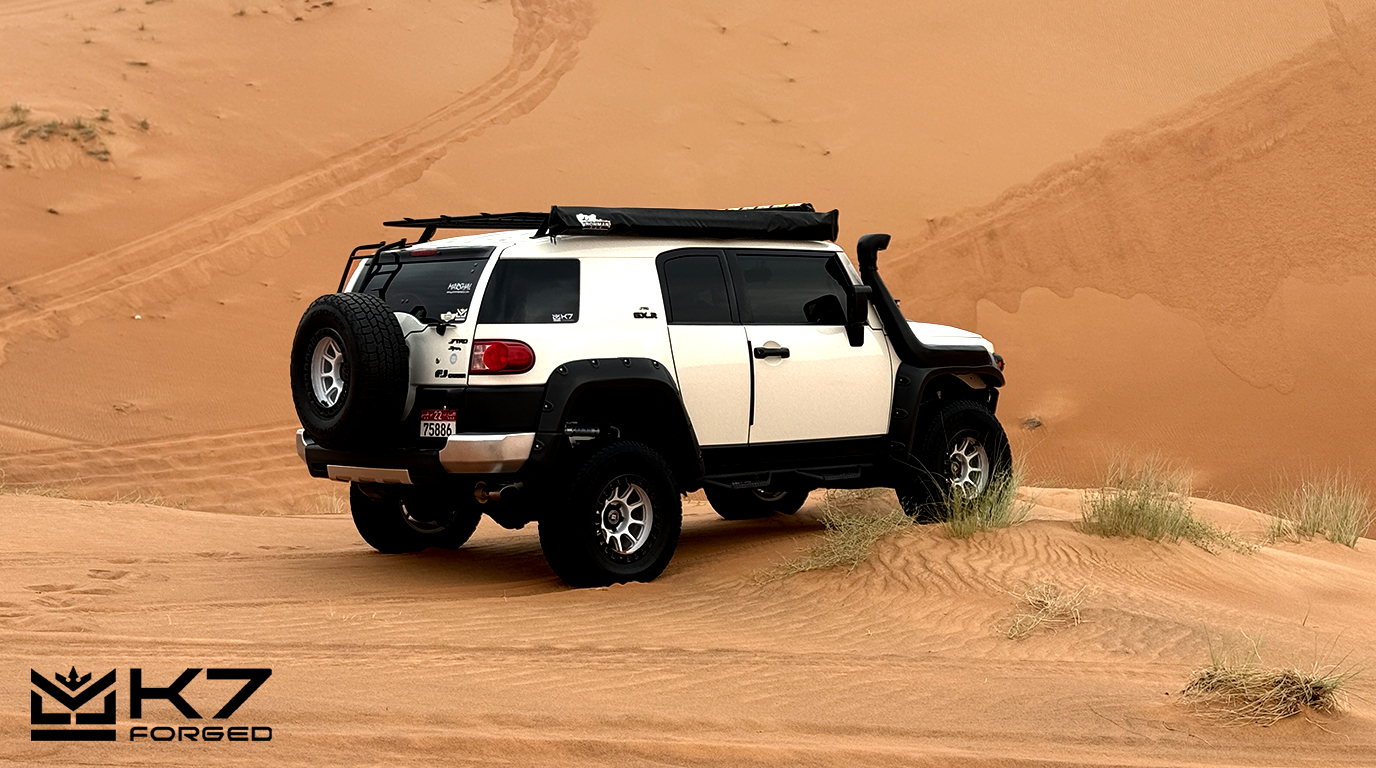
Why Your Wheel Design Could Be Cooking Your Brakes
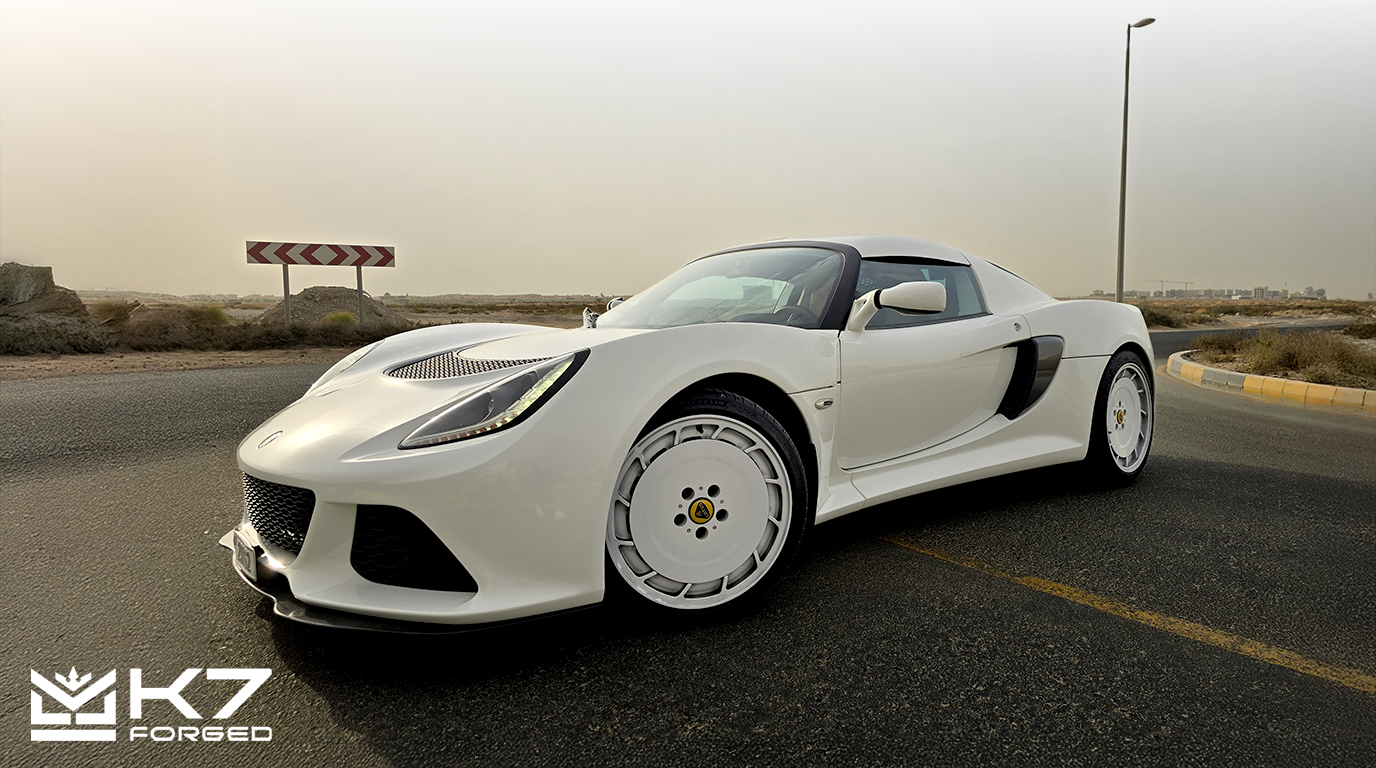
A closed-face wheel looks stunning when parked outside a Dubai villa. But every gram of metal covering that spoke gap also blocks the air your brakes need to cool down. Alloy wheels in Dubai deal with more heat than most of us realize, especially considering the hot pavements, hard stop-and-go traffic, and long highway stretches on Sheikh Zayed Road.
As the leading wheel manufacturers in Dubai, we feel it’s our responsibility to walk through what happens when a wheel design cuts off airflow, and which factors carry the most weight when you are picking wheels for your car.
Key Highlights
● Closed spoke wheels can trap heat that open spoke wheels let escape
● Brake rotors run 150 to 250°C in city driving and can exceed 700°C on track
● Alloy wheels conduct heat away from rotors far better than steel wheels
● A Penn State study named wheel vent area as a direct cooling factor
● K7 Forged engineers spoke gaps around airflow, not only looks
Why wheel spoke design controls more heat than you think
A research paper from Penn State on automobile brake cooling named five contributing factors: vehicle speed, wheel material, wheel vent area, the rotor’s thermal storage capacity, and rotor type.
Wheel vent area, the open space between spokes, ranks right next to vehicle speed as a direct driver of how fast your brakes shed heat. The same research found that alloy wheels conduct and store heat far better than steel wheels, and a wheel with more open area amplifies that advantage even more.
● More open spoke area lets air reach the rotor directly
● Alloy conducts heat away from the rotor faster than steel
● Closed or solid-face wheels trap hot air inside the wheel well
What happens when airflow around the brakes drops
Brake rotor temperatures vary a lot by driving style. City driving with frequent stops typically pushes rotors to 150 to 250°C, highway cruising runs cooler at 100 to 200°C since braking is less frequent, and track or race conditions can push rotors past 700°C.
At high temperatures, brake fade sets in, a documented phenomenon where friction drops sharply once the pad and rotor reach a temperature “kneepoint,”. Reduced airflow from a closed wheel design does not cause fade alone, but it removes one of the few passive tools your brakes have for staying below that threshold.
Solid wheels versus open spoke designs, what we found
One Jeep Wrangler owner cited an academic study confirming that wheel ventilation “plays a significant role in brake disc cooling, the larger the open area the greater the cooling effect.”
The physical logic is that holes allow air to move, so they help, at least some. Racers who track their cars report feeling noticeably more heat radiating off closed wheels after hard braking compared to open, multi-spoke designs.
● Wheel surface area acts as a heat sink connected to the rotor
● Open designs pull hot air out during rotation, closed designs trap it
● Engineers have even tested fan-blade spoke shapes to actively pull air through the wheel
Other Alloy wheel factors that shift once airflow drops
Reduced airflow rarely acts alone. Once a wheel design blocks air movement, several other factors compound the problem. Rotational mass rises with closed, heavier wheel faces, so the wheel itself takes longer to cool between braking events.
Dubai’s summer road surfaces regularly exceed 45°C, and tire pressure climbs roughly 1 PSI for every 5°C rise in ambient temperature, so a hot wheel well adds thermal load on top of an already hot tire and brake system. Wheel material also changes the equation, since forged aluminum dissipates heat faster than cast aluminum due to a denser, more uniform grain structure.
● Rotational mass and heat buildup increase together in closed designs
● UAE summer heat adds thermal load before the brakes even engage
● Forged construction dissipates heat better than cast wheels of the same design
How K7 Forged designs around airflow, not only looks
We take spoke gap and rim geometry as very serious functional decisions. K7 Forged wheels meet and exceed JWL and VIA certification for structural safety, and every design goes through internal quality checks, including X-ray inspection, detailed in our piece on the engineering behind K7 Forged wheels.
Our racing-focused CLR and TEC Series use spoke patterns built for consistent brake cooling during repeated hard stops, which we covered in our blog about why K7 Forged racing wheels give racers the winning edge.
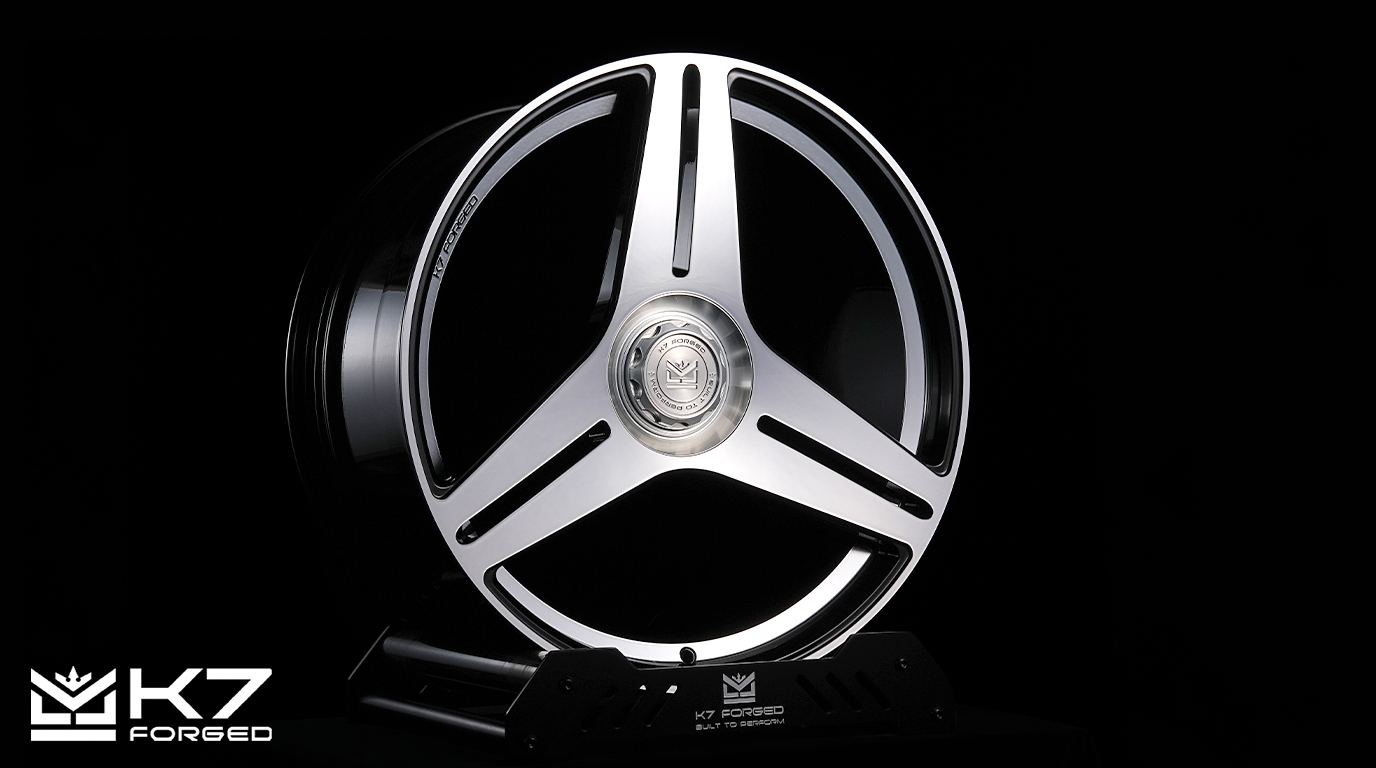
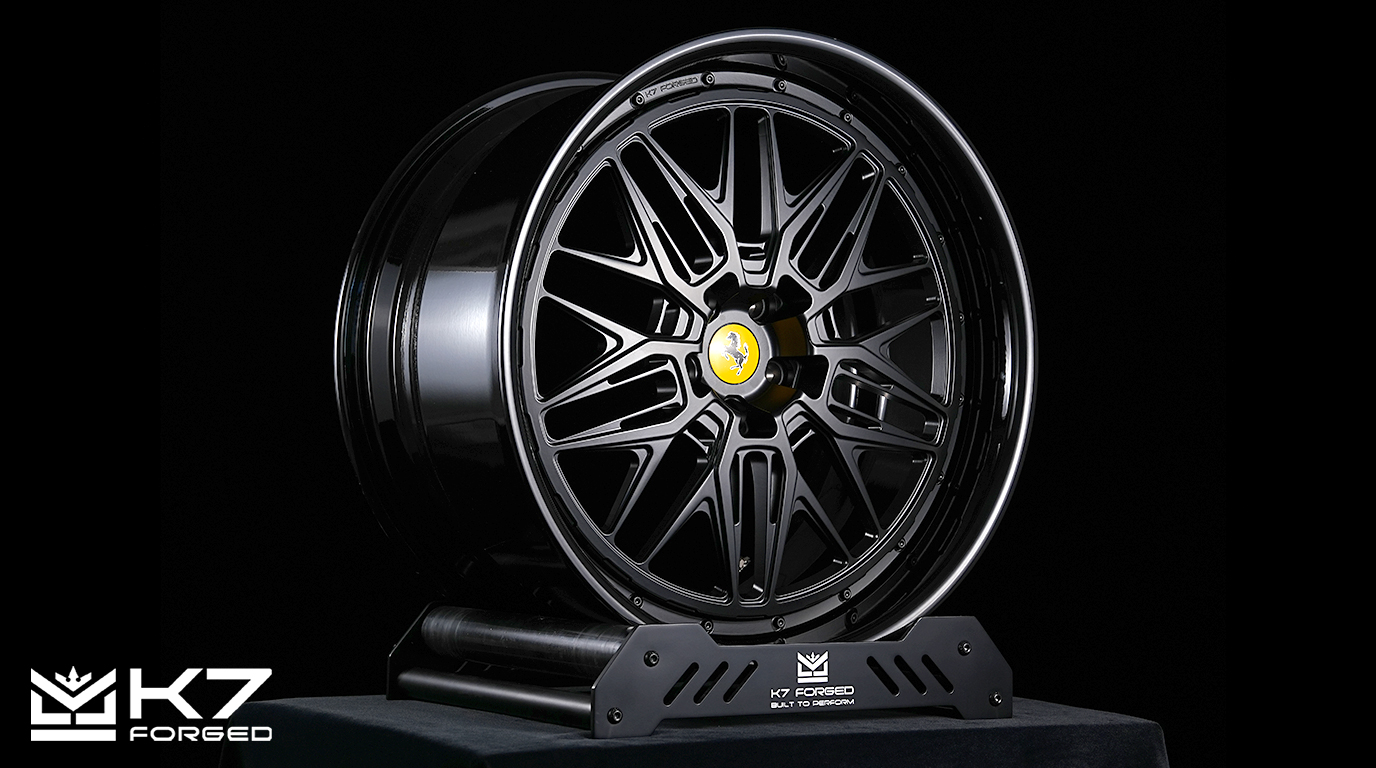
Similarly, JDM-style open spoke patterns, discussed in our guide to JDM alloy wheels, channel air directly toward the brakes rather than trapping it, and our Mercedes owners’ guide covers aggressive spoke patterns that improve brake airflow on AMG and performance models.
Heat management also depends on getting the fitment right in the first place. Our checklist on what every driver should verify before buying new rims in Dubai covers offset and clearance, both of which affect how freely air reaches the rotor. And because alloy conducts heat better than steel, our guide on how alloy wheels improve ride comfort and handling explains why base material carries as much weight as spoke count.
Owners running performance builds in the Gulf can see this thinking applied in our piece on the best racing wheels for Kuwait and Riyadh.
Talk to our team before choosing a wheel design for a performance build or a daily driver that sees serious summer heat. We will guide you about spoke geometry, material, and fitment together, so your alloy wheels work with your brakes instead of against them.
FAQ
Do all closed-face wheels cause brake overheating?
Not necessarily, since brake size, pad compound, and driving style carry more weight than wheel design alone in most daily driving.
Can I add ducting to fix a wheel design with poor airflow?
Yes, brake ducts that feed air directly to the rotor are commonly used on track cars to compensate for restrictive wheel designs.
Does wheel color or finish affect brake heat?
No, wheel finish has no meaningful effect on brake cooling, since airflow depends on spoke geometry, not paint or coating.
Is brake fade permanent once it happens?
No, brake fade is usually temporary and friction returns once the pads and rotors cool back down.
Should track drivers avoid solid-face wheels entirely?
Track drivers generally should avoid heavily closed wheel designs, since consistent cooling carries more weight under repeated hard braking.