Every wheel shoulders far more responsibility than most drivers realise. It holds the weight, absorbs shocks, and handles heat. A top wheel rim manufacturer understands this from the ground level and treats a wheel as a load-bearing structure first and a design object second. The best wheel manufacturers build around solid physics.
Nowadays, cars weigh more. EVs have massive torque. SUVs are powerful and carry heavier loads. So, wheel design now has a direct role in safety, durability, and how a car feels on the road. You’ll have to understand this to choose the best alloy wheels for your car.
Key highlights
- Wheel design controls how loads move through the hub, spokes, and rim
- Spoke geometry and thickness directly affect life, stiffness, and heat tolerance
- EVs add extra stress on wheels due to constant torque and higher curb weight
- Changing the Offset affects the scrub radius and bearing loads
- The best wheel manufacturers use advanced testing to define real load capacity
How wheel design changes load capacity and performance
The structural roles of the rim, spokes, and hub
A wheel works like a system of load paths. The hub area transfers vertical and lateral loads from the suspension into the wheel. Spokes spread these forces outward. The rim supports tyre pressure and absorbs road impacts. Weakness in any one area shifts stress to another.
How spoken patterns and thickness affect stress and fatigue
Engineers study wheels using finite element analysis. They track von Mises stress to see where the metal reaches its limit. Thin spokes reduce weight but raise peak stress near the hub and spoke roots. Straight spokes handle braking loads well. Curved spokes manage impact forces better. Fewer spokes raise stress per spoke. More spokes spread the load but add mass.
Wheel design changes performance in measurable ways. Stress location, fatigue life, stiffness, and heat tolerance all go back to the first principles of geometry and material control. This is why the best wheel manufacturers invest more in engineering.
How wheel design affects load capacity and performance for EVs
In EVs, the battery packs add a low center of gravity in the chassis, which increases the constant vertical load on the wheel. Instant torque adds sharp torsional forces during acceleration. This gives more stress to the hub and spoke junction than in ICE cars. So, EV wheels need higher fatigue resistance, not just higher static load ratings. Such repeated torque cycles may cause micro-crack formation. This is why EV wheels are usually forged alloy wheels, with a controlled spoke geometry and consistent heat treatment.
How wheel offset alters load paths, steering, and bearing stress
Wheel offset is the distance between the wheel’s mounting face and its centerline. When offset changes, the wheel centerline moves relative to the hub. This changes the track width and alters the scrub radius. Scrub radius controls how tyre forces act around the steering axis. A small change here affects steering weight, self-centering, and how the car reacts under braking. Positive scrub increases steering effort. Negative scrub reduces feedback but you can feel numb at high speeds.
Offset also changes bearing load. Moving the wheel outward increases the lever arm acting on the hub. Even a 10 mm outward offset increase can raise lateral bearing load by double-digit percentages during cornering. Over time, this shortens bearing life and accelerates hub wear. This is why experienced wheel rim manufacturers treat offset as a structural decision. On street cars, small offset changes stay manageable. On track cars, tow vehicles, and heavy SUVs commonly seen in wheels Dubai builds, offset errors show up as heat, noise, and an early failure.
Vehicle-type specific guidance for design, size, and offset
Passenger sedans and compact cars
These cars can getaway with moderate wheel widths and conservative offsets. Priorities include even tyre wear, stable steering, and long bearing life. Slight offset changes are fine, but large outward shifts reduce refinement and durability. The best wheel manufacturers design sedan wheels around predictable load paths only.
Performance cars and mid-engine sports cars
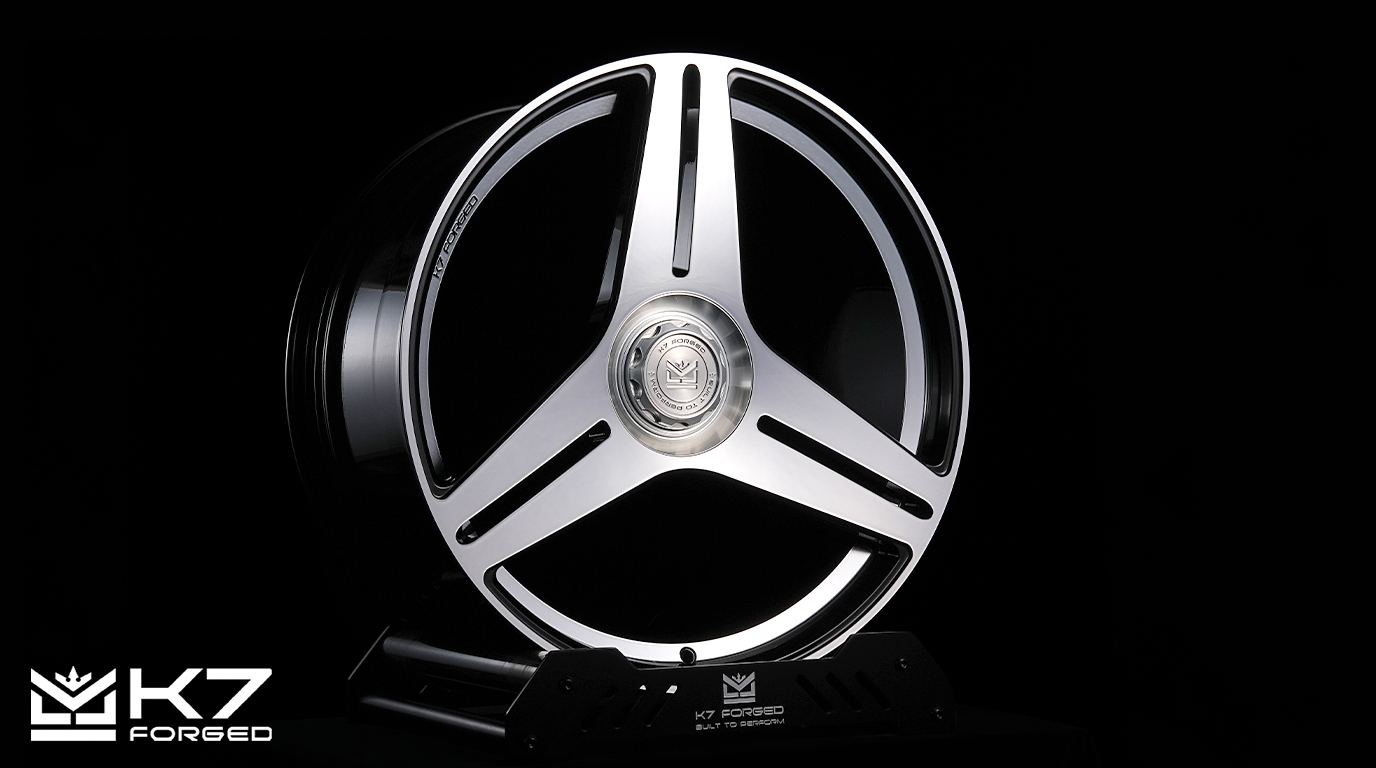
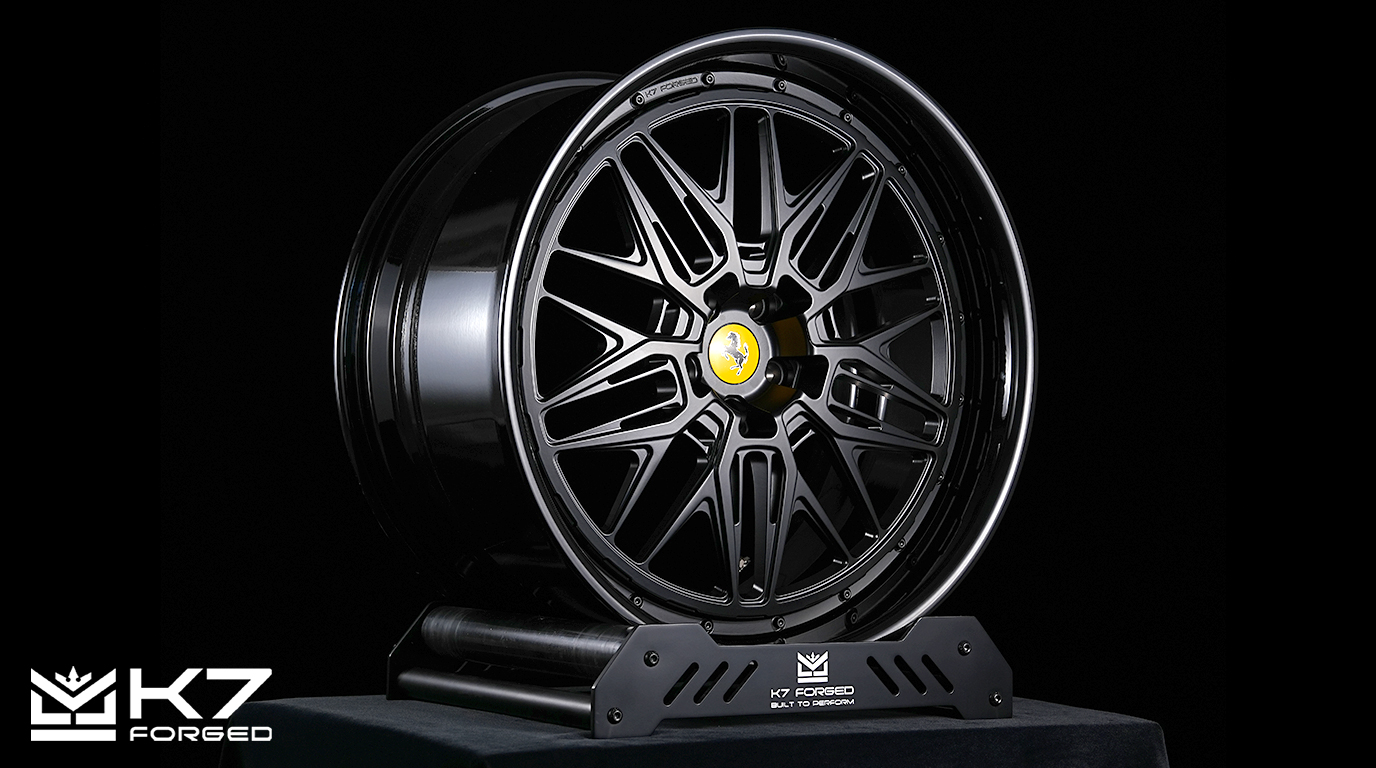
Fast cars need low rotational mass and precise offsets. Narrow spokes reduce inertia, but engineers must reinforce spoke roots. Offset should be precise because suspension geometry reacts sharply to changes. A few millimeters can change the steering feel and traction balance. Trusted wheel rim manufacturers, including K7, lock offsets tightly for this very reason.
SUVs and light trucks
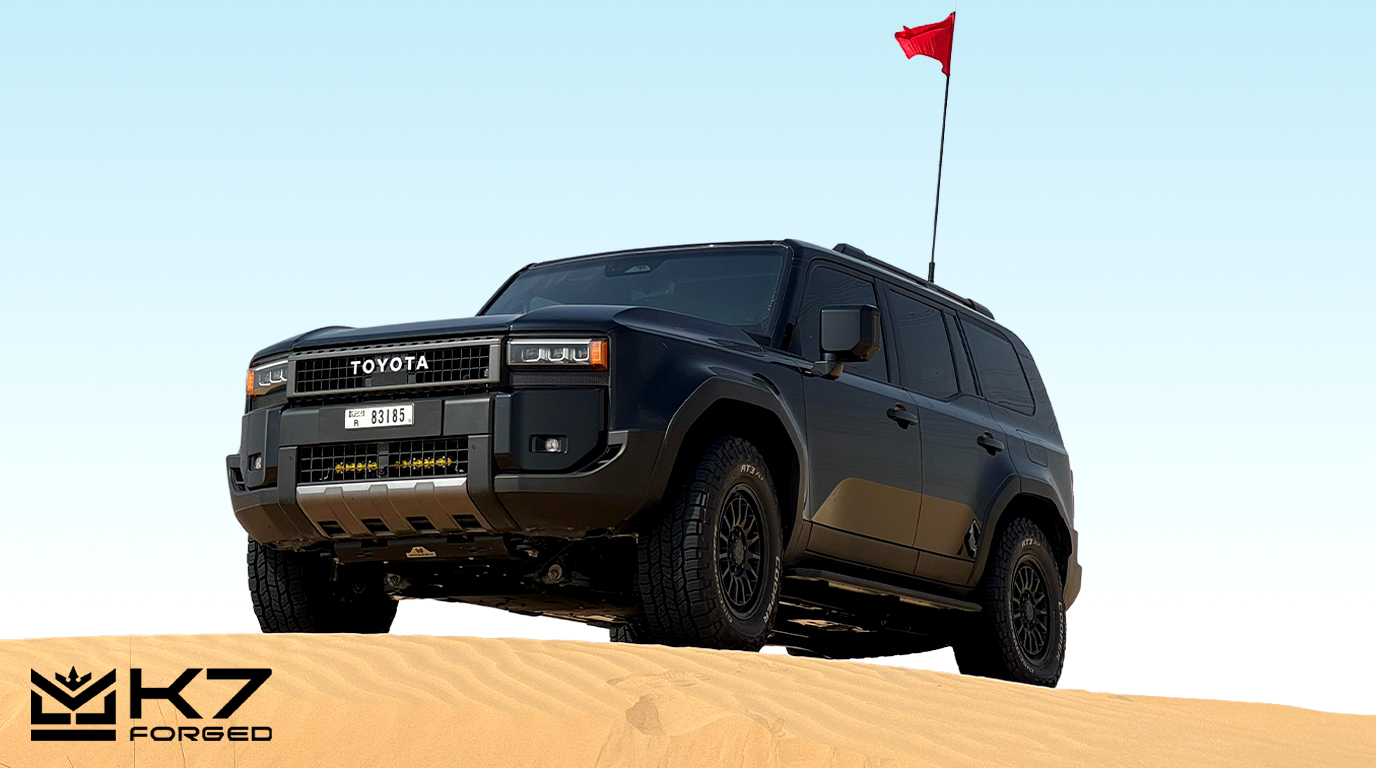
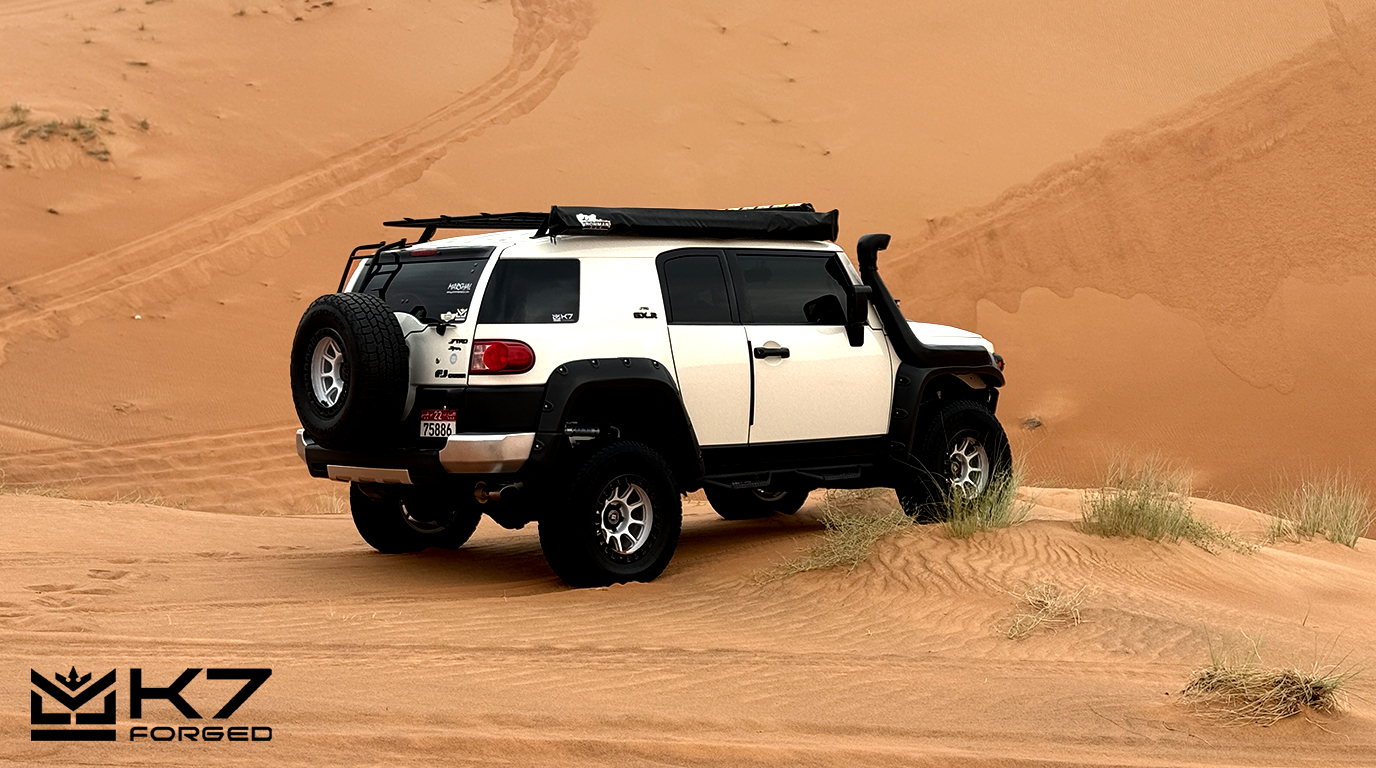
Weight and load ratings are important in SUVs. Wider rims spread tyre load but increase scrub and joint stress. Incorrect offset pulls suspension arms out of their designed motion range. This leads to bushing wear and steering kickback, which is a common issue in wheels Dubai SUV setups.
Electric vehicles
EVs have some tradeoffs here. Aero-focused wheels and smaller diameters improve range. Larger wheels improve the appearance but increase mass and energy loss. Offset errors are harder on EVs because of the constant high torque and higher curb weight. The best wheel manufacturers now design EV wheels with stricter offset and load margins.
Testing, standards, and how the best wheel manufacturers rate wheel load capacity
Top wheel manufacturers, like K7 Forged, use simulation and physical testing. Our engineers use finite element analysis to find where stress concentrates and check fatigue cycles before cutting metal. Physical testing is done next, including radial fatigue, cornering fatigue, and impact tests. Standards like JWL and VIA define minimum thresholds only.
Load ratings on spec sheets that we give you come from such controlled test conditions. We assume the correct offset, tyre size, and use case. Real-world loads may exceed these assumptions. K7’s additional testing is valuable here, particularly for EVs and heavy vehicles. Only a trusted wheel rim manufacturer like K7 Forged can explain these testing methods, load margins, and failure modes. That transparency is what separates the best wheel manufacturers from cheap aftermarket brands selling wheels in Dubai.
Buy the strongest and most reliable wheels in Dubai from K7 Forged
K7 Forged has the largest collection of the highest quality alloy wheels in Dubai for all popular car models. We understand that load paths, offset accuracy, material control, and meticulous testing are responsible for how a car behaves and how long components last.
If you want wheels engineered for the real world, choose a trusted wheel rim manufacturer like K7 Forged. We spec wheels that match your car, your load demands, and your driving style.
FAQ
How do I check if a wheel load rating is suitable for my car?
Always compare the wheel load rating against your vehicle’s axle load and include a safety margin for passengers, cargo, and driving conditions.
Do forged wheels always handle more load than cast wheels?
Yes. Forged wheels provide better fatigue resistance and strength at a lower weight, which helps under repeated load cycles.
Are larger wheels always worse for load capacity?
Larger wheels can carry a load if engineered correctly, but poor design increases stress and reduces durability.
Why should I buy from the best wheel manufacturers instead of generic brands in Dubai?
Established manufacturers test for fatigue, impact, and real load scenarios, while generic wheels try to meet minimum standards.