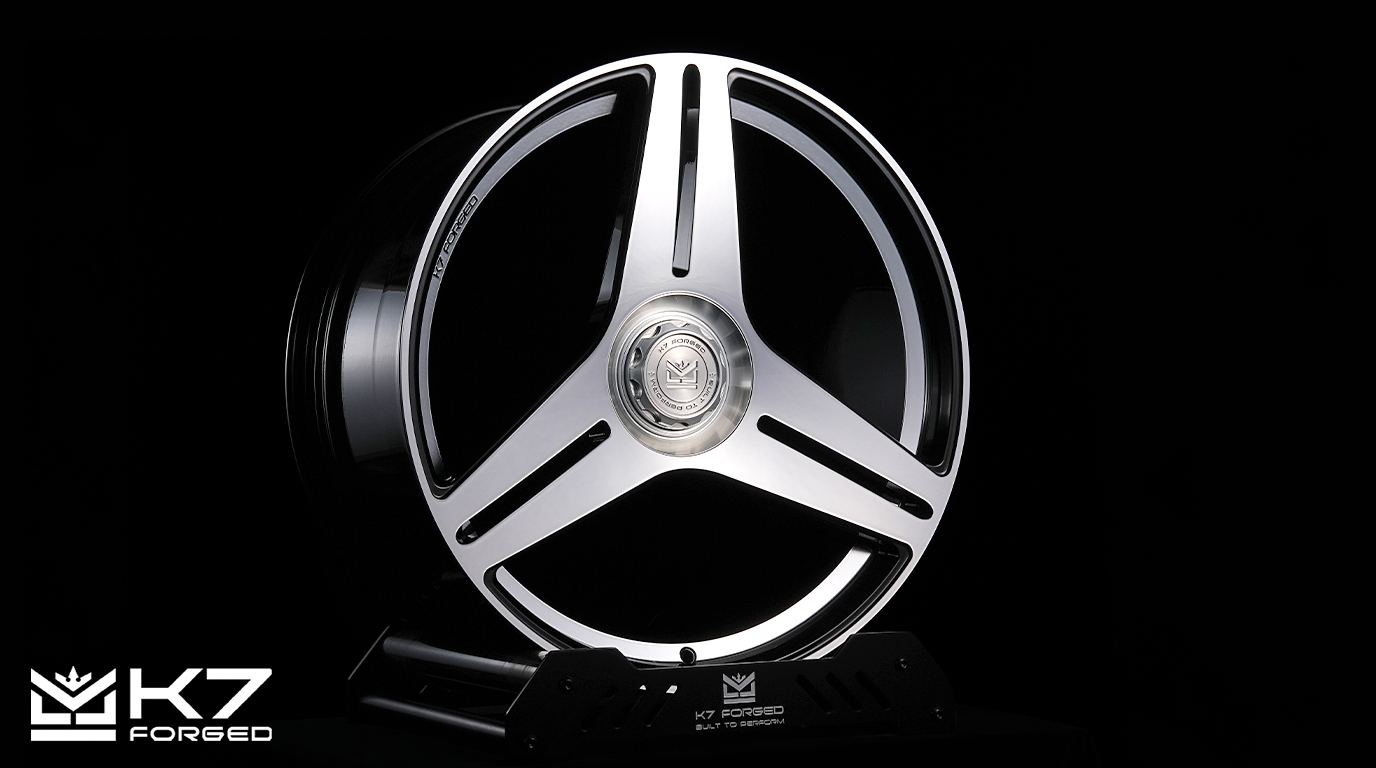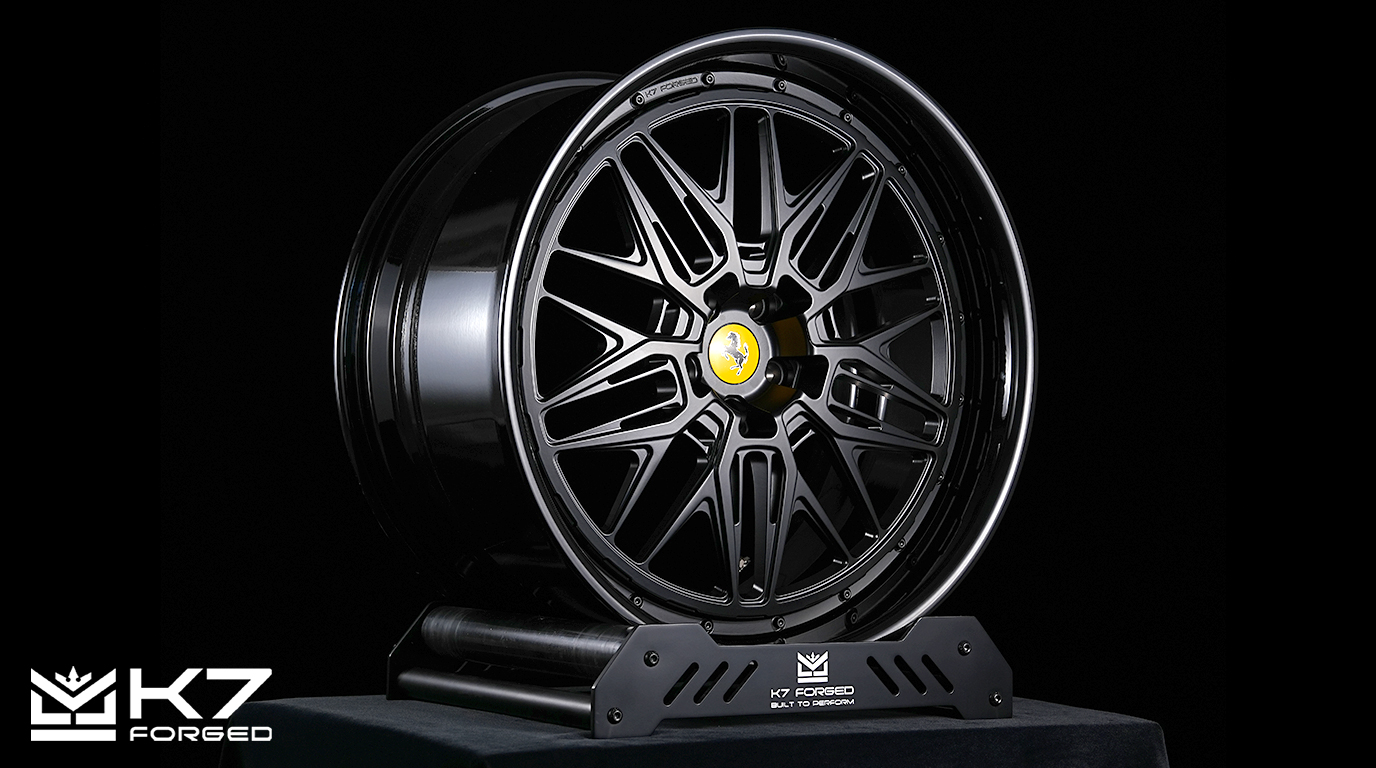
There is no denying that wider wheels make your car look more muscular and intimidating. But should you also upgrade your suspension?
Custom wheels have been conquering the streets of Dubai for decades. People match their styles with different kinds of alloy wheels. But the best wheels for your car in Dubai are forged wheels, which are lighter. It naturally feels alright to skip upgrading the suspension. As the most trusted wheel manufacturer in Dubai, we’re gonna dig deeper and find the answer for you.
Key Highlights
- Wider custom wheels can affect suspension, handling, and comfort.
- Forged wheels reduce unsprung mass and minimize negative effects of upsizing.
- Small changes (+1 inch) often work fine with stock suspension for street use.
- Significant upsizing needs stiffer shocks, better bushings, and alignment tuning.
- Sedans, SUVs, and sports cars all behave uniquely.
What happens when you fit wider wheels without suspension mods?
We went ahead and installed a wider set of alloy wheels on our test car. We did the physics ourselves, and we noted all the physical changes that happened to our car.
Increased unsprung mass and rotational inertia
As soon as you start driving with your wider custom wheels, you’ll feel more road bumps, and it may be harder to steer as well. The extra mass also increases rotational inertia. So, your car’s engine needs more effort to spin the wheels. Also, brakes take longer to slow them down.
Our studies show lighter wheels improve grip and responsiveness. The result is that even daily driving feels sharper. That’s one secret why our light-weight forged wheels perform better.
Suspension geometry changes, including scrub radius and bearing loads
Since wider wheels shift tires outward, it changes the offset value and scrub radius. This needs you to steer harder and with higher kickback. It also moves the weight away from the bearing centerline. That overloads traps bearings and suspension knuckles, speeding up wear.
What car enthusiasts say about using wider wheels
While driving cars with wider alloy wheels on a stock suspension setup, drivers consistently noted a firm steering feel. One common remark we found: “Steering turned stiffer and ride felt harsher after upsizing just one wheel size.”
Modest upgrades (like +1”) proved manageable, but anything more and we recommend you to upgrade shocks or springs for balance. Multiple users shared that suspension geometry issues, such as rubbing during hard turns, only appeared after exceeding that limit.
Manufacturer recommendations & engineering best practices for using wider custom wheels
Automakers generally approve plus‑one wheel upgrades (e.g., 17″→18″) without additional suspension mods. However, they advise keeping the wheel centerline and offset near OEM specs to protect bearings and steering components.
Sticking close to factory wheel dimensions maintains ride comfort, accurate ABS/ESC calibration, and brake performance.
How do different vehicle types react to wider wheels
- Hatchbacks & Sedans: Even mild wheel over‑width increases lead to sharper steering, but more transmitted road noise and reduced fuel economy. Drivers report a 3 – 5% loss in MPG from +2 width and low-profile tires.
- SUVs & Trucks: Their heavier suspension masks the added unsprung weight. Still, users note faster wear on struts, bushings, and harder stops when using bigger wheels.
- Sports & Performance Cars: These cars see gains in grip and steering precision with wider forged wheels, provided coilovers or upgraded dampers support the added mass. Many owners say a +1 width increase on forged wheels works well, but anything beyond that needs suspension tuning first.
| Vehicle Type | Upsizing Effect | Recommended Action |
| Hatchbacks/Sedans | Harsher ride, efficiency loss | Stick to +1 width or OEM match |
| SUVs/Trucks | Masked handling change, wear parts | Use high-quality alloy wheels, not too wide |
| Sports Cars | Grip and feel gains if supported | Upgrade the suspension too |
Key suspension components you need to upgrade, along with wider alloy wheels
Shocks and Springs
Stiffer or adjustable shocks manage the added unsprung mass from wider alloy wheels better. OEM springs sometimes feel “floaty” with heavier custom wheels. Upgrading to coilovers or reinforced dampers restores control and ride quality.
Bushings & Ball Joints
Wider track increases leverage on suspension joints. Softer bushings compress more, leading to loose steering and uneven tire wear. Using reinforced bushings or stronger ball joints helps stabilize geometry and gives a smooth road feel.
Wheel Bearings
A shift in offset pushes loads further from the vehicle center. Bearings bear more side load and can wear prematurely. High-quality replacements or upgraded bearings handle the stress better.
When can you safely skip suspension upgrades?
Minor upsizing (+1”) to lightweight forged wheels usually keeps geometry in check. Street driving remains smooth and safe.
OEM plus-sizers: Factory-approved wheel upgrades are engineered to work well with stock suspension. These maintain steering and ride balance without extra parts.
When suspension mods become essential
Wide-track set-ups (+2” or more) drastically change scrub radius, camber, and toe. You’ll need camber plates, adjustable arms, or full coilover kits to keep a crisp handling and even tire wear.
Track-focused or aggressive builds with big tires demand proper suspension tuning. Without it, there would be unpredictable steering, severe wear, and compromised stability.
Is it safe to upgrade to wider forged wheels without changing the suspension?
If you’re running light forged wheels from K7 Forged and sticking to mild upsizing, your stock suspension will handle it just fine, but if you plan a wide-track setup, proper suspension upgrades are a must for safety and balance. Talk to our team and we’ll spec out the perfect forged wheels for your car.
FAQs
Will wider wheels void my car’s warranty?
Yes. If the wheel size or offset is too far from OEM, manufacturers may deny suspension or drivetrain warranty claims.
How do wider wheels affect tire pressure monitoring systems (TPMS)?
Aftermarket wheels may need new TPMS sensors or valve adapters to get correct readings.
Can I use wheel spacers instead of wider wheels?
Yes, but excessive spacers also affect scrub radius and can strain wheel bearings just like wide wheels.
Do wider wheels affect the turning radius?
Yes, depending on offset and tire width, your turning circle may increase slightly due to potential rubbing or clearance limits.